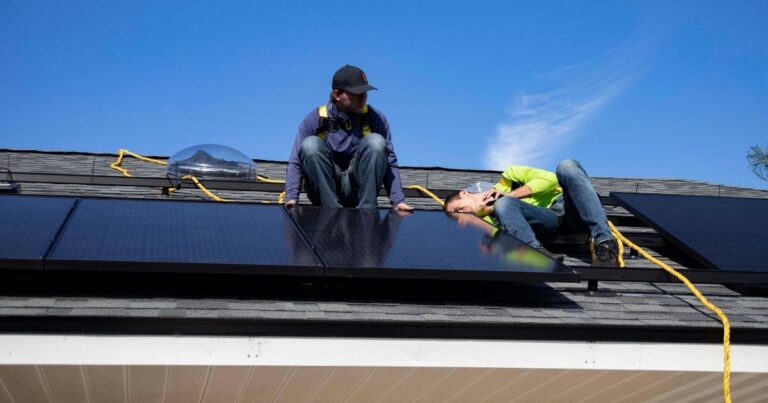
Companies That Remove and Reinstall Solar Panels
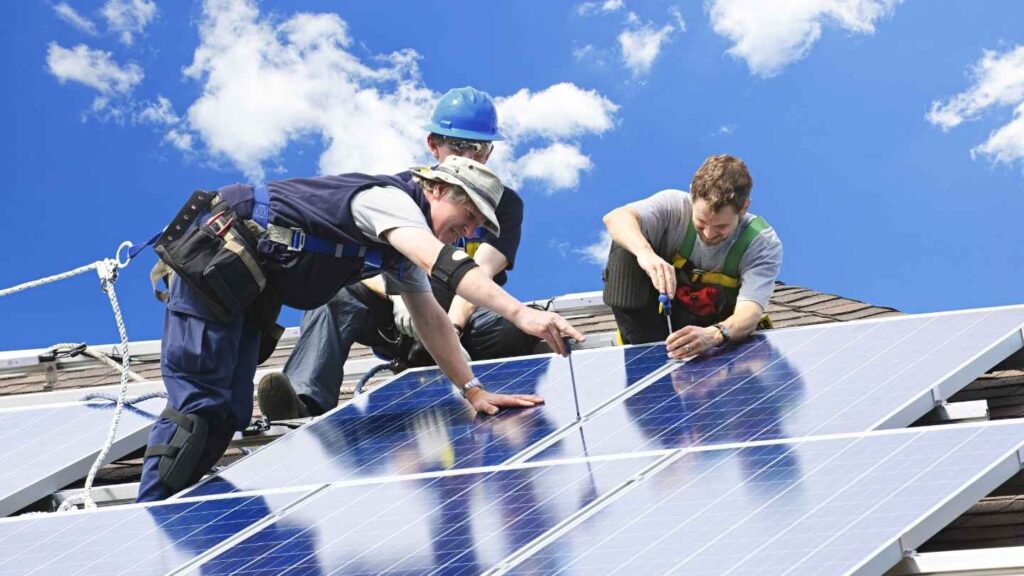
If you need a new roof or are dealing with storm damage, you may be wondering what happens to your solar panels during the process. This guide explains why working with companies that remove and reinstall solar panels is essential for protecting your investment, avoiding warranty issues, and keeping projects on schedule. You’ll learn what the process involves, how much it typically costs, and what to watch out for when choosing the right provider.
Here’s what we’ll cover:
- Why Solar Panels Must Be Removed for Roof Work
- Who Handles Solar Panel Removal and Reinstallation
- The Solar Detach & Reset Process Explained
- How Much Does It Cost to Remove and Reinstall Solar Panels?
- Insurance and Solar Panel Removal During Roof Repairs or Storm Damage
- Risks of Hiring the Wrong Company
- Choosing the Right Solar Removal Company in Utah
- Conclusion
Let’s start by looking at why solar panels need to be removed any time a roof is repaired or replaced.
Why Solar Panels Must Be Removed for Roof Work
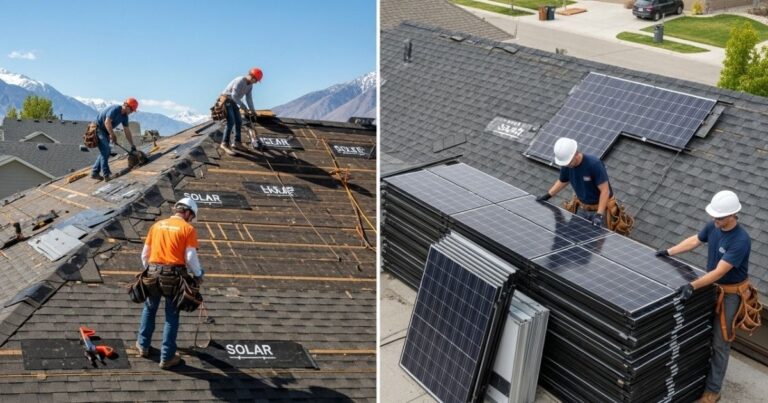
When a roof needs to be replaced or repaired, solar panels can’t stay in place. Roofing projects require full access to the shingles, decking, and flashing beneath the panels, which means knowing who can safely remove solar panels is crucial for a successful outcome. Leaving panels attached not only prevents a complete repair but also puts the solar system at risk of damage.
The Practical Reasons for Removal
- Full roof access: Roofers must strip old shingles and underlayment before installing new materials. Solar panels block this process.
- Preventing damage: Even small movements during roofing can crack glass, damage wiring, or loosen racking hardware. Improperly secured racking is also a leading cause of solar system issues, learn more about mounting and racking.
- Warranty protection: Most roofing and solar manufacturers require panels to be removed professionally to keep warranties valid. Read about solar warranty periods
Risks of Leaving Panels in Place
If panels are left on during roofing work, homeowners face multiple risks:
- Incomplete roof replacement – Contractors may “work around” panels, leaving old shingles or flashing intact, creating weak spots that shorten the roof’s lifespan.
- Water leaks and mold – Improper sealing around panel mounts can allow water to penetrate.
- Electrical hazards – Panels left connected while work is done can expose workers to live wiring, see OSHA safety guidance.
- Warranty voiding – Both roofing and solar warranties often state that improper removal or neglecting removal nullifies coverage.
Risk of Skipping Removal
| Potential Consequence | Result |
| Roof not fully repaired | Premature leaks, roof failure |
| Panels damaged in process | Replacement costs, reduced energy output |
| Warranties voided | Loss of coverage for both roof and solar |
| Insurance complications | Claim delays or denials |
Common Homeowner Question: “Do I Really Need to Remove Them?”
It’s a fair question—removing and reinstalling solar panels feels like an extra step during an already stressful roof project. The truth is: do solar panels need to be removed for roof repairs? Yes—for a proper and lasting result, removal is essential.
Roofing contractors, insurance adjusters, and solar manufacturers are consistent on this point.
Think of it like replacing flooring without moving the furniture—you might cover up the problem for now, but the work won’t be thorough, and it can cost much more to fix later. Removing panels ensures the roof is installed correctly and your solar investment remains protected.
Who Handles Solar Panel Removal and Reinstallation?
When it comes to roof replacements or storm repairs, many homeowners assume their roofer will also take care of the solar panels. In reality, most roofing companies won’t touch solar systems—and for good reason. Handling solar panels involves electrical knowledge, safety protocols, and manufacturer-specific requirements that fall outside the scope of typical roofing work.
Why Most Roofers Won’t Handle Solar Systems
- Liability risk: Panels are expensive, and roofers don’t want to be responsible for damage or performance issues.
- Warranty concerns: Incorrect removal can void both the solar system and roof warranties.
- Lack of training: Roofing crews are experts in shingles and decking, not electrical disconnects, wiring, or system calibration.
This is why roofers often subcontract the job to specialists. It protects both their schedule and their liability.
General Contractors vs. Licensed Specialists
Some general contractors may offer solar panel removal as part of a larger job, but their approach can be limited. Specialists, on the other hand, are trained specifically for solar detach and reset work, ensuring the system is properly documented, stored, and reinstalled without performance loss.
| Provider Type | Strengths | Limitations |
| Roofing Contractors | Roof repair and replacement expertise | Not trained in solar systems; risk of damage or warranty loss |
| General Contractors | Broad project coordination | May lack solar-specific training or manufacturer-approved methods |
| Specialist Detach & Reset Companies | Warranty-safe removal, secure storage, proper reinstallation and testing | Narrow focus (they don’t replace roofs themselves) |
Roofers fix roofs. Specialists protect your solar system—because only trained experts understand why roofers shouldn’t remove solar panels.
The Solar Detach & Reset Process Explained
Removing and reinstalling solar panels isn’t a one-step job. As shown in our step-by-step solar panel removal guide, it requires careful planning, coordination with roofing crews, and precise reinstallation to ensure full system performance. Here’s how the process typically works from start to finish.
Inspection and Documentation
The first step is a full system assessment. Specialists:
- Photograph and document the condition of each panel and connection.
- Record inverter settings, wiring layouts, and panel placement for accurate reinstallation.
- Check for any pre-existing issues (such as cracked panels or loose wiring) so they aren’t mistaken as damage from roof work.
This documentation also serves as proof for homeowners, contractors, and insurance restoration teams that the system was handled properly.
Safe Panel Removal and Storage (On-Site or Off-Site)
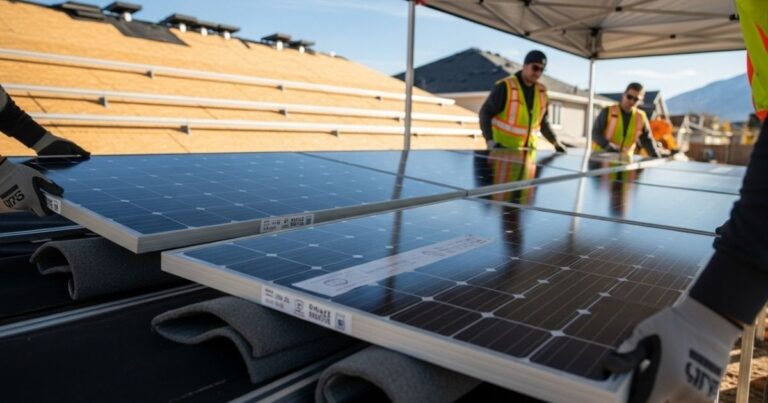
Once the roof is ready for work, Panels are carefully detached from their racking system and disconnected from electrical components using safe panel detachment services. Proper handling here prevents glass fractures, wiring damage, and safety risks, all of which are covered in our overview of how to remove solar panels safely.
- On-site storage: Panels may be stored in padded racks or secured areas near the home.
- Off-site storage: For larger projects or storm-damage claims, off-site solar panel storage may be used until the roof is ready.
Either method ensures panels remain clean, safe, and undamaged.
Roof Replacement or Repair Phase
With the panels out of the way, the roofing team has full access to replace underlayment, shingles, flashing, and decking if needed. This step eliminates the risk of incomplete repairs caused by “working around” solar equipment.
Specialists often stay in communication with roofers during this stage to align timelines and confirm when the system can be safely reinstalled or if any solar panel repair services are needed.
Reinstallation, Inspection, and System Testing
After the new roof is complete, the solar system is reinstalled using the original documentation as a guide by a provider offering solar panel reinstallation services. Key steps include:
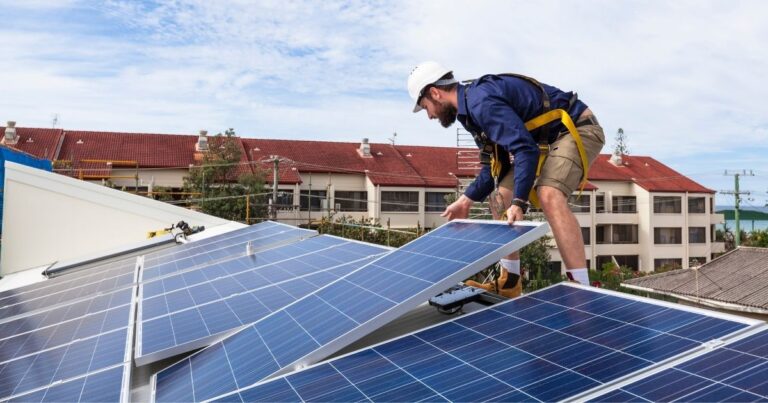
- Reattaching racking and panels using manufacturer-approved methods.
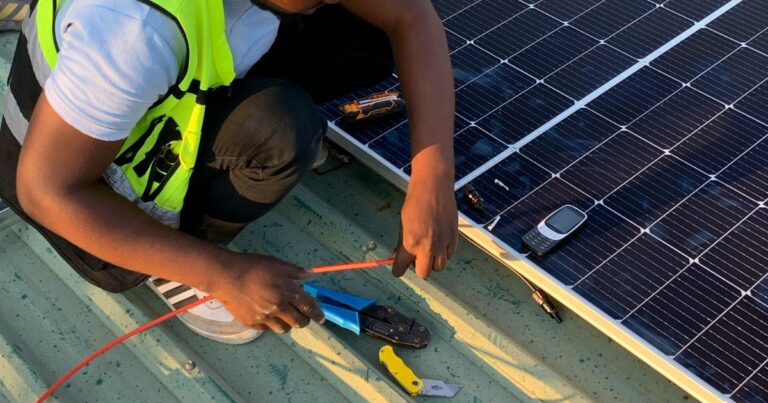
- Reconnecting wiring and inverters to ensure safe operation.
- Performing final inspections and system checks to confirm proper function and energy output.
Homeowners should expect a final report or confirmation that the system is restored to its pre-project performance.
Process at a Glance
| Step | What Happens | Why It Matters |
| 1. Inspection & Documentation | Record panel layout, wiring, system settings | Ensures accurate reinstall, protects warranty |
| 2. Panel Removal & Storage | Panels detached and stored securely | Prevents physical and electrical damage |
| 3. Roof Repair/Replacement | Roofers complete work without obstruction | Allows full roof protection and durability |
| 4. Reinstallation & Testing | Panels reinstalled, wiring reconnected, system tested | Restores performance, verifies safety |
Handled properly, the detach and reset process protects both the home’s roof and the solar investment. Done poorly, it risks damaged panels, leaks, and voided warranties—which is why expertise and careful documentation are non-negotiable.
How Much Does It Cost to Remove and Reinstall Solar Panels?
One of the most common questions homeowners and contractors ask is about the cost to remove and reinstall solar panels. The price of solar panel removal and reinstallation can vary widely depending on system size, roof type, and whether storage or insurance coverage is involved. Understanding the main cost drivers helps set realistic expectations and avoids surprises during a roofing or storm-repair project.
Typical Cost Ranges
Most residential solar detach and reset services fall within a range of $1,500 to $6,000. Smaller systems with 10–15 panels may be on the lower end, while larger systems with 30+ panels or complex wiring needs may cost more. Additional factors, such as steep roofs, tile roofing, or the need for off-site panel storage, can add to the total.
What Drives Pricing
The cost isn’t just about removing and reinstalling panels—it reflects the complexity and safety requirements of the job. Key factors include:
- System size (number of panels and inverters)
- Roof type and slope (asphalt shingles vs. tile or metal)
- Storage needs (temporary on-site vs. off-site facility storage)
- Electrical work (rewiring or upgrading components if needed)
- Insurance involvement (covered claim vs. homeowner out-of-pocket)
Cost Differences: Self-Pay vs. Insurance-Covered
- Homeowner self-pay: Out-of-pocket costs are straightforward but can feel steep. In these cases, hiring a qualified specialist is even more important to avoid costly mistakes.
Insurance-covered claims: For hail or storm damage, solar panel detach and reset is often covered as part of the roof repair claim. Documentation and warranty-safe handling are critical to avoid claim disputes.
Insurance and Solar Panel Removal During Roof Repairs or Storm Damage
When storm damage or roof failure requires repair, insurance coverage often extends to the cost of removing and reinstalling solar panels. However, claim approval depends on proper documentation and coordination between contractors, adjusters, and solar specialists.
How Insurance Usually Treats Solar Detach/Reset
Most homeowner insurance policies consider solar panels part of the dwelling. That means if a roof is damaged by hail, wind, or other covered events, the associated costs for safely removing and reinstalling the panels are typically included in the claim.
Key points to know:
- Covered cause of loss: If the roof damage is covered, solar detach/reset usually is too.
- Excluded events: Normal wear and tear or elective roof replacements (not tied to damage) may not be covered.
- Special handling: Claims require licensed professionals to perform the removal and reinstallation to avoid disputes about improper handling.
Documentation Adjusters Need
Insurance adjusters depend on clear, verifiable documentation to process claims correctly. Specialists in solar detach/reset provide:
- Before-and-after photos of the solar array and roof.
- System condition reports showing no pre-existing panel damage.
- Detailed invoices with line-item costs for removal, storage, and reinstallation.
- Manufacturer-compliant methods to prove warranties remain valid.
Without this documentation, claims can stall or be denied, leaving homeowners with unexpected bills.
How Specialists Streamline the Claim Process
Specialists simplify insurance projects by:
- Coordinating directly with roofers and adjusters to avoid delays.
- Providing accurate, itemized estimates that align with insurance claim guidelines.
- Ensuring panels are handled in a warranty-safe manner, reducing the risk of disputes after reinstallation.
Example: Hail Damage in Northern Utah
Hailstorms in Northern Utah frequently damage roofs while leaving solar panels intact. In these cases:
- The homeowner files a claim for roof replacement.
- The adjuster includes solar detach/reset as part of the covered repair.
- A specialist documents the system, removes panels, and stores them safely.
- Once the new roof is installed, the panels are reinstalled, inspected, and tested.
This process ensures the roof is restored, the solar system continues producing energy, and the claim is fully supported with the right paperwork.
Risks of Hiring the Wrong Company
Solar panels are complex electrical systems, and treating them like simple roof fixtures can create costly problems. When homeowners or contractors rely on a roofer or handyman to remove and reinstall panels, they often overlook key concerns like does removing solar panels damage the roof, which can lead to bigger costs later.
Dangers of Letting a Roofer or Handyman Handle Solar
- Warranty voiding: Manufacturers typically require panels to be detached and reset by trained professionals. Improper handling can cancel both solar and roofing warranties.
- System damage: Incorrect removal can crack glass panels, bend racking, or damage wiring, leading to reduced energy output or costly replacements.
- Added project delays: If panels are damaged or reinstalled incorrectly, roofing projects can stall, leaving homes exposed to the elements longer than necessary.
- Insurance complications: Claims can be denied if insurers determine unqualified labor caused damage or failed to follow best practices.
Roofer vs. Specialist: Who Does What
To highlight the difference, here’s how roofing contractors compare with dedicated solar detach & reset specialists:
| Task | Roofer/Handyman | Solar Specialist |
| Roof replacement/repair | ✔ Expert | ✘ Not their role |
| Panel removal | ⚠ Limited (risk of damage) | ✔ Trained and insured |
| Electrical disconnects | ✘ Not licensed in most cases | ✔ Licensed and compliant |
| Warranty-safe methods | ✘ Rarely documented | ✔ Manufacturer-approved |
| System testing | ✘ Not performed | ✔ Full reinstallation and output check |
| Insurance documentation | ✘ Not provided | ✔ Detailed reports and invoices |
Choosing the Right Solar Removal Company in Utah
Not all companies that remove and reinstall solar panels are created equal. The right provider will not only protect your equipment but also safeguard your warranties, coordinate with roofers and insurers, and keep the project on schedule. Choosing wisely is especially important in Northern Utah, where hail and storm damage are common and insurance claims often hinge on proper documentation.
Questions to Ask Before Hiring
Before committing to a provider, homeowners, contractors, or adjusters should ask:
- Are you licensed and insured? This protects everyone involved if something goes wrong.
- Do you follow manufacturer-approved methods? Ensures solar and roof warranties remain valid.
- What kind of documentation will I receive? Adjusters, in particular, need detailed reports and photos.
- Do you coordinate directly with roofers and insurers? Seamless communication avoids delays.
- How quickly can you schedule and complete a detach/reset? Timelines matter for storm restoration projects.
Why Local Northern Utah Experience Matters
Working with a local provider offers advantages that go beyond convenience:
- Familiarity with climate challenges: Utah’s hail, snow, and seasonal extremes put unique demands on both roofs and solar systems.
- Knowledge of regional insurance processes: Local specialists understand how insurers in Northern Utah typically handle solar detach/reset claims.
- Community accountability: A company rooted in the area has a stronger incentive to maintain trust and deliver consistent results.
Checklist: What to Look For in a Solar Detach & Reset Company
| Must-Have Criteria | Why It Matters |
| Licensed & insured | Protects homeowners, contractors, and insurers from liability |
| Warranty-safe methods | Prevents costly voided manufacturer warranties |
| Detailed documentation | Speeds up insurance claims and protects all parties |
| Proven local experience | Ensures knowledge of Utah’s weather, building codes, and insurance norms |
| Efficient scheduling | Keeps roofing and restoration projects on track |
| Collaborative approach | Works seamlessly with roofers, homeowners, and adjusters |
Selecting the right partner for solar panel removal and reinstallation ensures the project is done safely, efficiently, and without compromising warranties or insurance claims. In Utah’s storm-prone environment, this decision can make the difference between a smooth project and costly setbacks.
Conclusion
Replacing or repairing a roof with solar panels in place isn’t simple—it requires careful planning, professional handling, and the right expertise. We’ve covered why panels must be removed for roof work, who is best qualified to handle the job, what the detach and reset process looks like, how costs are determined, and how insurance typically treats these projects. We also explored the risks of hiring the wrong provider and the key factors to look for when choosing a company in Utah.
The takeaway is clear: professional detach and reset protects both your roof and your solar investment. By understanding the process, asking the right questions, and working with experienced specialists, you can move forward with confidence knowing your home, warranties, and timelines are protected.
When the time comes to coordinate roofing and solar, the right partner ensures the process is safe, efficient, and stress-free.
FAQs
Yes. To properly replace shingles, underlayment, and flashing, panels must be removed. Leaving them in place can lead to incomplete repairs, leaks, or even damage to the solar system.
Costs typically range from $1,500 to $6,000, depending on the size of the system, roof type, and storage needs. Insurance often covers these costs if the removal is tied to storm or hail damage.
Not if the work is done by a qualified specialist using manufacturer-approved methods. Improper removal, however, can void both solar and roofing warranties, which is why expertise matters.
Most roofers don’t have the training or licensing to safely detach and reset solar systems. They often subcontract this work to specialists to avoid liability and ensure warranties remain intact.
In many cases, yes. If roof damage is caused by a covered event—such as hail, wind, or storm damage—insurance typically includes solar panel removal and reinstallation as part of the claim. Coverage may not apply for elective roof replacements or normal wear and tear.